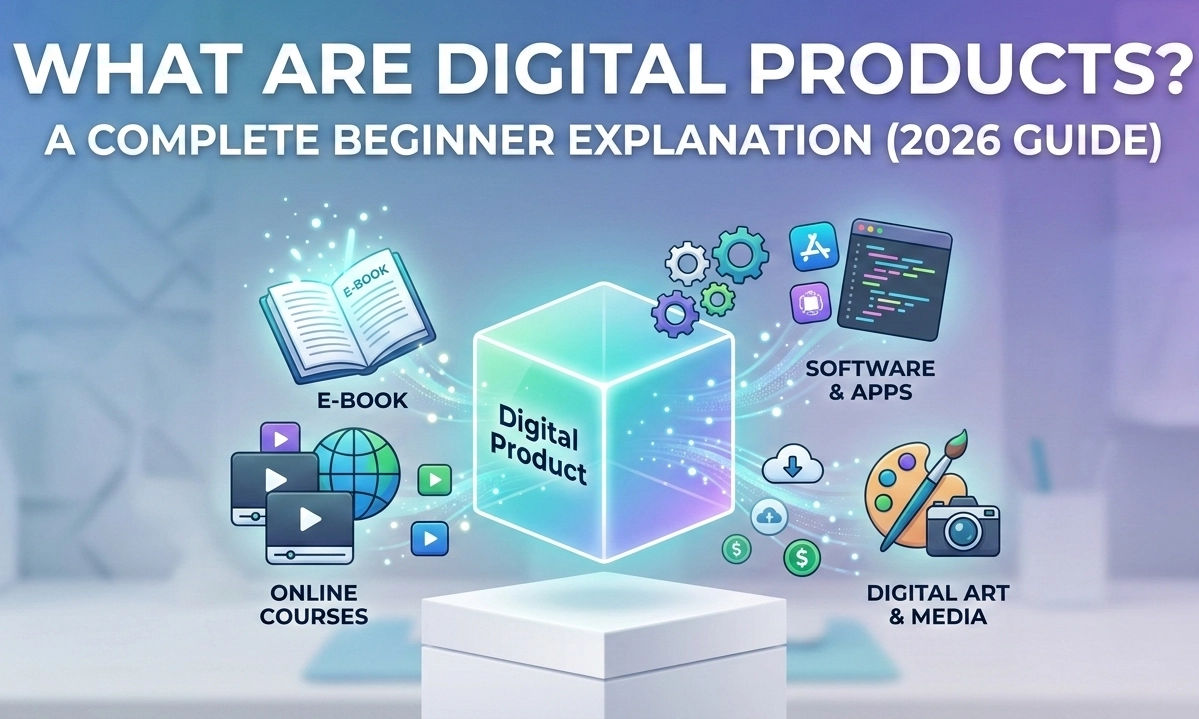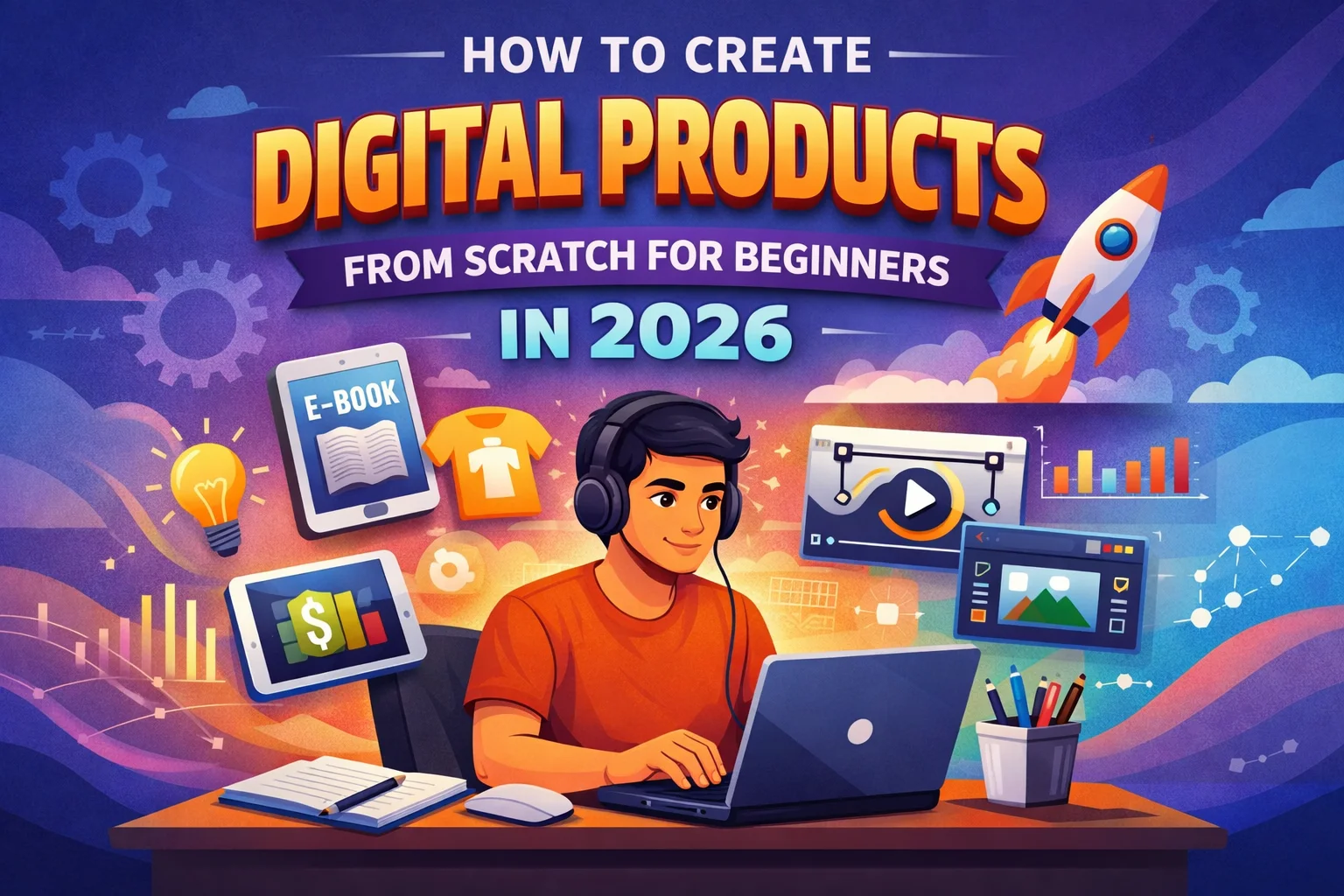
The digital storefront model is one of the most profitable online business ventures available today. Selling downloadable items like graphic assets, software templates, custom code scripts, and informative e-books allows you to generate passive income with zero shipping overhead or manufacturing costs.
However, because virtual assets can be duplicated, shared, and altered with a single click, operating a digital storefront opens you up to massive intellectual property risks. Whether you are creating original assets from scratch or compiling resources to sell online, ignoring the legal boundaries of ecommerce can instantly result in store bans, financial penalties, or copyright lawsuits. Understanding the core Copyright Rules for Selling Digital Downloads is a non-negotiable step to keeping your platform safe, profitable, and respected.
This definitive guide will break down the essential intellectual property laws, asset sourcing rules, and store protection mechanics that every digital entrepreneur must implement in 2026.
The Core Legal Principles of Digital Product Ownership
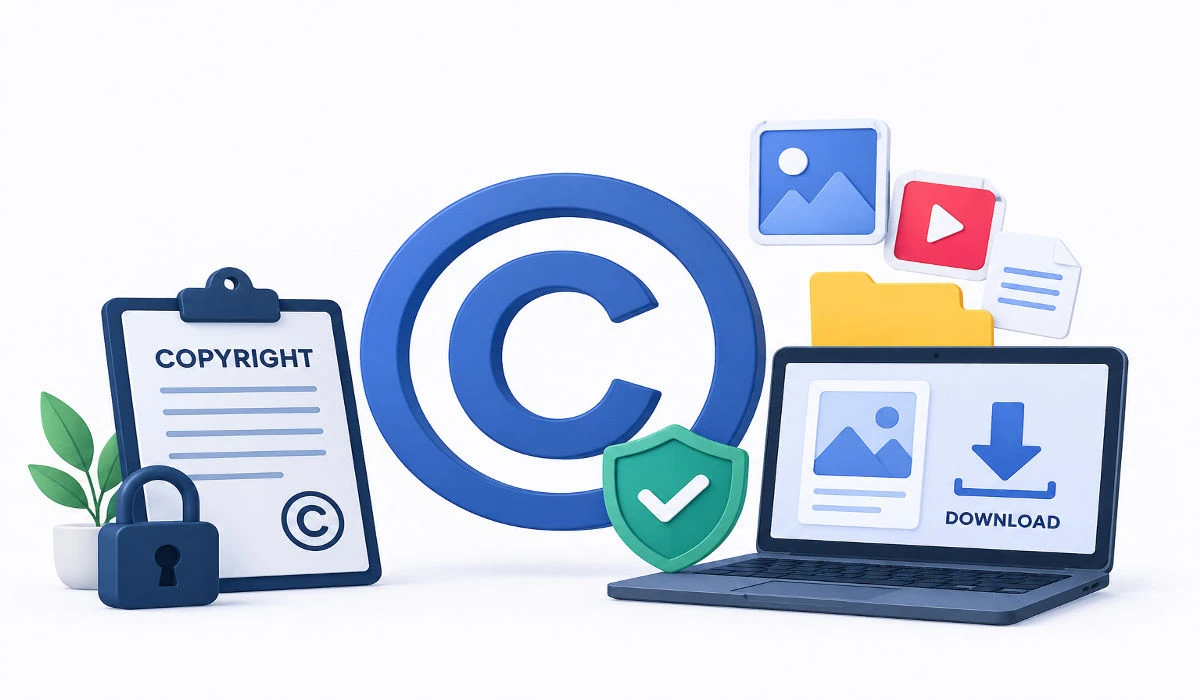
Before you publish a single file to your customer dashboard, you must understand how intellectual property applies to digital commerce. Under international copyright law, original creative expressions—such as written guides, software code, custom illustrations, and musical scores—receive automatic copyright protection the moment they are created and saved in a tangible medium.
When you run an online storefront, the Copyright Rules for Selling Digital Downloads dictate that you can only sell files for which you own the exclusive intellectual property rights, or for which you have secured a valid, legally binding commercial resale license. Merely finding a file on the internet, changing the colors, and uploading it to your site is an active legal violation that can quickly destroy your brand’s reputation.
Navigating Public Domain and Creative Commons Assets
Many digital creators use pre-existing elements to build complex template bundles or design kits. If you choose to incorporate external assets into your inventory, you must understand how open-source and public licenses operate under modern Copyright Rules for Selling Digital Downloads.
Public Domain Materials
Assets whose copyrights have expired or were never protected by law belong to the public domain. You can freely package, alter, and sell public domain items legally. However, ensure that the specific asset has truly entered the public domain in your country before building a commercial product line around it.
Creative Commons (CC) Frameworks
Many online designers offer free resources under Creative Commons licenses. However, a widespread misconception is that “free to download” means “free to sell.” Most free assets use a “CC BY-NC” (Attribution-NonCommercial) tag, which strictly prohibits you from making any money off the asset. To stay compliant with the Copyright Rules for Selling Digital Downloads, you must search exclusively for assets marked with a “CC0” (Public Domain Dedication) or standard commercial resale permissions.
Read More: Guide to Licensing Digital Products Legally
The Critical Danger of Selling Trademarked and Fan Art Assets
A very frequent pitfall for new digital storefront owners is confusing copyright with trademark protection. While copyright protects original creative expressions, trademarks protect brand identities, logos, phrases, and characters to prevent market confusion.
When studying the Copyright Rules for Selling Digital Downloads, you must realize that creating digital templates featuring pop-culture characters, corporate tech logos, or famous trademarked slogans is illegal without an official corporate licensing agreement. Even if you drew the vector file from scratch, using a trademarked identity to drive traffic and sales to your storefront will trigger an immediate DMCA (Digital Millennium Copyright Act) takedown notice and could lead to severe statutory financial damages.
How to Draft a Clear Digital End-User License Agreement (EULA)
When a customer completes a purchase on your website, they are not buying your underlying copyright; they are paying for a specific license to use your file. To protect your assets from being pirated, you must clearly outline these boundaries using an End-User License Agreement.
To align with standard Copyright Rules for Selling Digital Downloads, your EULA must explicitly state:
- The Usage Boundary: State clearly whether the file is strictly for personal projects or if it can be used for client deliverables and revenue-generating workflows.
- Distribution Restrictions: Expressly forbid the customer from re-uploading the raw source files, sharing the download links with third parties, or reselling the template on competitive marketplaces.
- Seat Management Limits: Define whether the license allows a single developer to install the asset or if it covers an entire multi-user team.
How to Handle Digital Piracy and Issue DMCA Notices
No matter how many security precautions you take, running an online storefront means you will eventually encounter someone trying to pirate your work. When unauthorized sites copy your files and offer them for free or at a massive discount, you must actively enforce your rights using the Copyright Rules for Selling Digital Downloads.
The primary tool at your disposal is filing a formal DMCA takedown notice. If you discover your digital product hosted on an unverified server or a copycat marketplace, locate the platform’s hosting provider or their dedicated legal contact email. Send a structured takedown notice identifying your original copyrighted link, the infringing URL, and your business contact information. Legitimate web hosts are legally required to remove the infringing content immediately to maintain their own liability protection.
Implementing Smart Technical Protections on Your Storefront
While legal agreements give you a framework for enforcement, combining them with technical security tools provides the ultimate layer of protection for your digital products.
To properly support the Copyright Rules for Selling Digital Downloads, configure your e-commerce platform (such as Shopify, Gumroad, or WooCommerce) to use dynamic, expiring download links. Set these links to deactivate automatically after 24 to 48 hours or after a specific number of download attempts. Furthermore, if you are selling specialized PDF guides or high-end graphics, consider utilizing automatic watermarking plugins that embed the customer’s unique invoice number or email address directly into the file metadata, heavily discouraging public file-sharing.
Best Practices for Selling PLR and Resell Rights Content Legally
Private Label Rights (PLR) content is an incredibly popular shortcut for digital store owners who want to scale their inventory quickly. When you buy PLR content, the original developer grants you the legal right to rebrand and resell the material under your own business name.
However, maximizing profits while respecting the Copyright Rules for Selling Digital Downloads requires checking the fine print of your PLR purchase contract. Some PLR licenses contain strict limitations, such as forbidding you from passing on the resell rights to your end-customers. To build a highly sustainable store, always modify the PLR files by rewriting sections, upgrading the graphic design layouts, and adding unique value, ensuring your final download stands out as an original asset in the open market.
Understanding Jurisdiction and Global Copyright Enforcement
When selling virtual files, your storefront is instantly accessible to international buyers. Therefore, a modern interpretation of the Copyright Rules for Selling Digital Downloads requires you to understand cross-border intellectual property enforcement. Thanks to international treaties like the Berne Convention, original creative files copyrighted in one country receive automatic protection across more than 180 other nations. If a competitor located overseas copies your store graphics or asset designs, you can still legally deploy standard marketplace takedown procedures to remove their infringing listings globally.
Handling Independent Contractor and Freelancer Work Agreements
If you hire freelance developers, ghostwriters, or graphic artists to expand your store inventory, you must carefully navigate outsourcing contracts. Under standard Copyright Rules for Selling Digital Downloads, the intellectual property rights of a creative file naturally belong to the creator unless a explicit legal contract states otherwise. To ensure you completely own the assets you pay for, always have your freelancers sign a formal “Work Made for Hire” contract or an explicit intellectual property assignment agreement before publishing the files to your active digital storefront.
Regular Audits for Changing Asset License Compliance
The digital ecosystem is constantly changing, meaning the open-source software packages or graphic frameworks you used to build your inventory last year might update their terms this year. A vital maintenance habit to satisfy the Copyright Rules for Selling Digital Downloads is scheduling a bi-annual compliance audit of your digital products. Reviewing the original source licenses of any third-party fonts, code components, or design packages integrated into your bundles ensures that an abrupt corporate policy update doesn’t accidentally turn your best-selling product into a compliance risk.
FAQ
Q1. Can someone copy the core concept of my digital product without violating copyright laws?
Ans: Yes. Copyright law protects the specific expression of an idea (your exact code, written text, or graphic layouts), but it does not protect the idea itself. If someone views your product and builds their own version completely from scratch without copying your source files, it is generally considered legal market competition.
Q2. Is it safe to use AI-generated assets in digital products I plan to sell?
Ans: The legal landscape surrounding AI content is evolving quickly. Currently, purely AI-generated files lack human authorship and cannot be formally copyrighted. If you sell raw AI files, you cannot stop competitors from copying them. To stay safe, ensure you heavily edit, modify, and integrate AI elements into a larger, human-designed product framework.
Q3. Do I need to formally register my digital products with a copyright office to be protected?
Ans: No. Copyright protection is automatic upon creation. However, formally registering your work with an official government copyright office provides massive legal advantages, as it acts as public proof of ownership and allows you to sue for statutory damages if a major infringement case goes to court.
Conclusion
Building a thriving digital product brand requires a smart balance of creative production, marketing execution, and solid legal protection. By ensuring complete clarity across your inventory, you eliminate the risk of unexpected store shutdowns and legal friction.
By consistently adhering to these essential Copyright Rules for Selling Digital Downloads—sourcing your files cleanly, implementing secure expiring download links, writing clear user licenses, and actively enforcing your rights with DMCA notices—you insulate your ecommerce brand from digital piracy. Invest the necessary time into building a legally secure operational workflow, protect your valuable intellectual property, and watch your digital download storefront scale securely and sustainably for years to come.