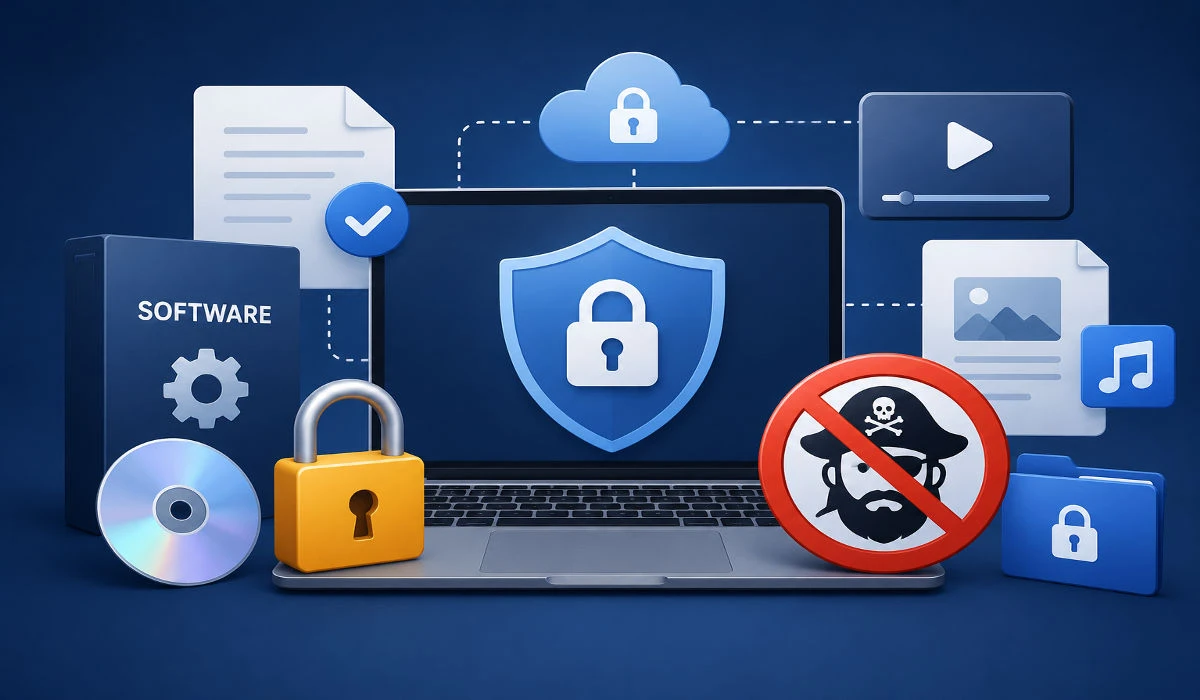
The explosive growth of the creator economy has made it easier than ever to monetize your specialized knowledge, design skills, or coding expertise. Selling virtual goods—such as complex software code, template systems, design vectors, and masterclasses—provides incredible lifestyle freedom and highly scalable passive income.
However, the exact characteristics that make digital assets highly lucrative also leave them deeply vulnerable to digital theft. Because files can be cloned, shared on public forums, or re-uploaded to pirate marketplaces instantly, unauthorized distribution remains a severe threat to your bottom line. Learning How to Protect Your Digital Products From Piracy is an absolute necessity if you want to safeguard your hard-earned revenue, retain the true value of your work, and run a highly secure online storefront.
This comprehensive operational guide covers the essential technical layers, behavioral deterrents, and legal frameworks required to lock down your inventory securely in 2026.
Understanding the True Cost of Digital Asset Piracy
Many new digital merchants make the mistake of looking at unauthorized file-sharing as a victimless issue or a form of “free marketing.” In reality, unchecked file distribution directly devalues your brand equity and strips away your rightful profits.
When your premium assets are leaked onto unverified forums or sketchy social channels, it creates an unfair market dynamic where legitimate, paying customers feel penalized for supporting your business. Mastering the mechanics of How to Protect Your Digital Products From Piracy isn’t just about setting up high-tech security walls; it is about building a trusted ecosystem where your intellectual property remains exclusively accessible to those who genuinely invest in your brand.
Implementing Smart Technical Protections on Your Storefront
Relying entirely on the honor system will leave your storefront vulnerable. To establish a bulletproof asset delivery line, you must implement automated technical guardrails directly into your download workflows.
A. Deploy Dynamic, Expiring Download Links
One of the most effective strategies when exploring How to Protect Your Digital Products From Piracy is configuring your ecommerce system to generate temporary delivery paths. Never use static file URLs that can be copied and posted on public platforms. Platforms like Shopify, WooCommerce, or Gumroad allow you to set strict download parameters—such as causing a download link to expire automatically after 24 hours or restricting access to a maximum of three attempts per purchase.
B. Implement PDF Stamping and Metadata Tracking
If you sell informative e-books, specialized guidebooks, or custom layout templates, use automated server-side plugins to hardcode customer details directly into the purchased files. “PDF Stamping” automatically overlays the buyer’s full name, email address, and unique invoice number into the header or footer of every single page during download. Because bad actors rarely want their private personal data exposed to the public, this simple structural step serves as an incredible psychological deterrent against mass file sharing.
High-Protection vs. High-Friction Workflows
When deciding How to Protect Your Digital Products From Piracy, you must maintain a balanced approach that secures your intellectual property without destroying the checkout experience for legitimate buyers:
High-Protection, Low-Friction Workflows
- Expiring Access Tokens: Generation of temporary, expiring delivery links that naturally deactivate within a couple of days.
- Dynamic Metadata Stamping: Embedding a user’s unique invoice token silently inside a zip folder or design asset.
- Hosting via Managed Gateways: Utilizing trusted infrastructure (like Lemon Squeezy or Gumroad) to manage link authentication.
High-Friction, Obsolete Approaches
- Overly Complex Passwords: Requiring customers to navigate multiple external verification apps just to open a simple template.
- Strict Device Limits: Hard-locking a file so it can only be opened on one single computer, which breaks utility if a user works across both a laptop and a desktop.
- Intrusive File Managers: Forcing users to download sketchy background applications to run a standard text guide or document file.
Setting Clear Licensing Boundaries with an End-User Agreement
A major tactical gap in many security strategies is failing to establish explicit legal terms of use at the exact moment of transaction. Your checkout sequence should always include a prominent link to your End-User License Agreement (EULA).
To optimize your approach on How to Protect Your Digital Products From Piracy, your license agreement should plainly explain what the user is buying. Make it incredibly clear that they are paying for a single-user license to use the item, not purchasing the underlying copyright itself. Explicitly prohibit the redistribution, sublicensing, or group-sharing of the files. Having this documented legal framework gives you a strong foundation to rely on if a customer ever attempts a fraudulent bank chargeback or distributes your source elements illegally.
Utilizing Software Licensing Keys for Code and Web Assets
If your digital download store focuses heavily on high-end developer tools, premium WordPress plugins, web themes, or SaaS frameworks, basic file security is rarely enough. In these technical niches, the ultimate standard for How to Protect Your Digital Products From Piracy involves deploying an active API licensing server.
Instead of sending out raw code bundles that can run endlessly without validation, configure your system so that your application calls back to your central server to confirm active subscription keys. If a user leaks your script or installs your plugin across twenty unauthorized client websites, your license server will immediately catch the unusual activity pattern and deactivate the asset remotely. This prevents widespread piracy and ensures recurring revenue from agencies using your resources across large-scale projects.
Read More : Legal Mistakes Digital Product Sellers Make
How to Monitor the Web for Pirated Versions of Your Work
Protecting your catalog requires an active approach to asset monitoring. Even with great storefront security, pieces of your content may eventually find their way to unverified corners of the web.
An essential component of How to Protect Your Digital Products From Piracy is running routine digital footprint sweeps. Set up automated search engine alerts using your product names, brand keywords, and specific file combinations. Additionally, perform reverse-image searches on your signature graphic templates to check if copycat storefronts are hosting your preview images to sell counterfeit packages. Catching these infringements early allows you to act swiftly before piracy impacts your organic search engine traffic.
Enforcing Your Legal Rights with Targeted DMCA Takedown Notices
When your automated monitoring reveals an unauthorized site distributing your files, you must immediately enforce global copyright laws to eliminate the threat.
The most powerful weapon in your arsenal regarding How to Protect Your Digital Products From Piracy is issuing a formal DMCA (Digital Millennium Copyright Act) takedown notice. Locate the hosting company or domain registrar of the infringing website and send a clearly structured legal email. Your notice must include your official contact details, links to your original authorized storefront product, and the exact URLs where the stolen material is hosted. Legitimate hosting providers are legally required to remove the infringing content instantly to avoid facing corporate secondary liability.
Elevating Your Brand Value to Make Piracy Obsolete
While technical blockades and legal takedowns are incredibly effective, one of the most underrated ways to execute a plan on How to Protect Your Digital Products From Piracy is out-valuing the pirates entirely. Give your target audience compelling reasons to buy directly from your official platform.
People pull files from shady download sites because they want a shortcut; however, pirated files never include direct access to your personal customer support, live product update channels, or community spaces. By wrapping your digital downloads in a premium ecosystem—offering ongoing free updates, responsive technical help desk channels, and exclusive access to a private Discord or Slack group—you make the pirated alternative look completely inferior and unappealing.
FAQ
Q1. Can I completely eliminate piracy from my digital product business?
Ans: No, it is virtually impossible to stop 100% of digital piracy, as determined bad actors will always find ways to take screenshots or scrape files. Your goal should be to protect your core files effectively so that casual piracy is eliminated and your mainstream revenue streams remain totally safe.
Q2. Does watermarking files actually deter online digital thieves?
Ans: Yes. Dynamic watermarking or PDF stamping is an incredible psychological deterrent because it injects the buyer’s private email and receipt token into the download. Pirating a stamped file means the thief is publicly exposing their own identity to the web.
Q3. What is the fastest way to get a pirated file removed from a copycat website?
Ans: The fastest path is sending a direct, structured DMCA takedown notice to the website’s underlying web host or server provider rather than trying to contact the anonymous site administrator directly.
Conclusion
Building a highly scalable, respected digital download brand requires an unwavering commitment to operational security. Taking shortcuts with your asset infrastructure might save you a little time during product launch, but it leaves your entire business exposed to profit leaks down the road.
By consistently applying the core strategies highlighted throughout this manual on How to Protect Your Digital Products From Piracy—deploying expiring download strings, utilizing dynamic file metadata stamping, implementing active API licensing for software, and issuing swift legal takedown notices—you establish a powerful defense system around your digital enterprise. Treat your intellectual property with the respect it deserves, safeguard your operational pipeline, and watch your creative storefront scale safely and sustainably for years to come.