The digital marketplace is more crowded than ever. Simply having a great product is no longer enough; you need a high-performing storefront. If you want to turn visitors into loyal customers, learning How to Build a Digital Product Store That Converts is the most critical skill you can acquire this year. Whether you are selling WordPress themes, Canva templates, or online courses, your store’s design and user experience (UX) will determine your success.
Why Conversion Optimization Matters for Digital Products
In the physical world, a customer might walk into a shop and be convinced by a salesperson. Online, your website is your only salesperson. This is why understanding How to Build a Digital Product Store That Converts is essential. Digital products are intangible, meaning customers cannot touch or feel them before buying. Your store must bridge this gap by providing trust, clarity, and instant gratification.
Choosing the Right Platform (WordPress & Beyond)
The foundation of a successful store is the platform it sits on. For most creators, WordPress combined with WooCommerce or Easy Digital Downloads (EDD) is the gold standard. It gives you full control over your SEO and design.
When you are researching How to Build a Digital Product Store That Converts, you will find that site speed is a top priority. Using a lightweight theme like GeneratePress or a powerful builder like Elementor allows you to create beautiful layouts without bloating your code.
Crafting High-Converting Product Pages
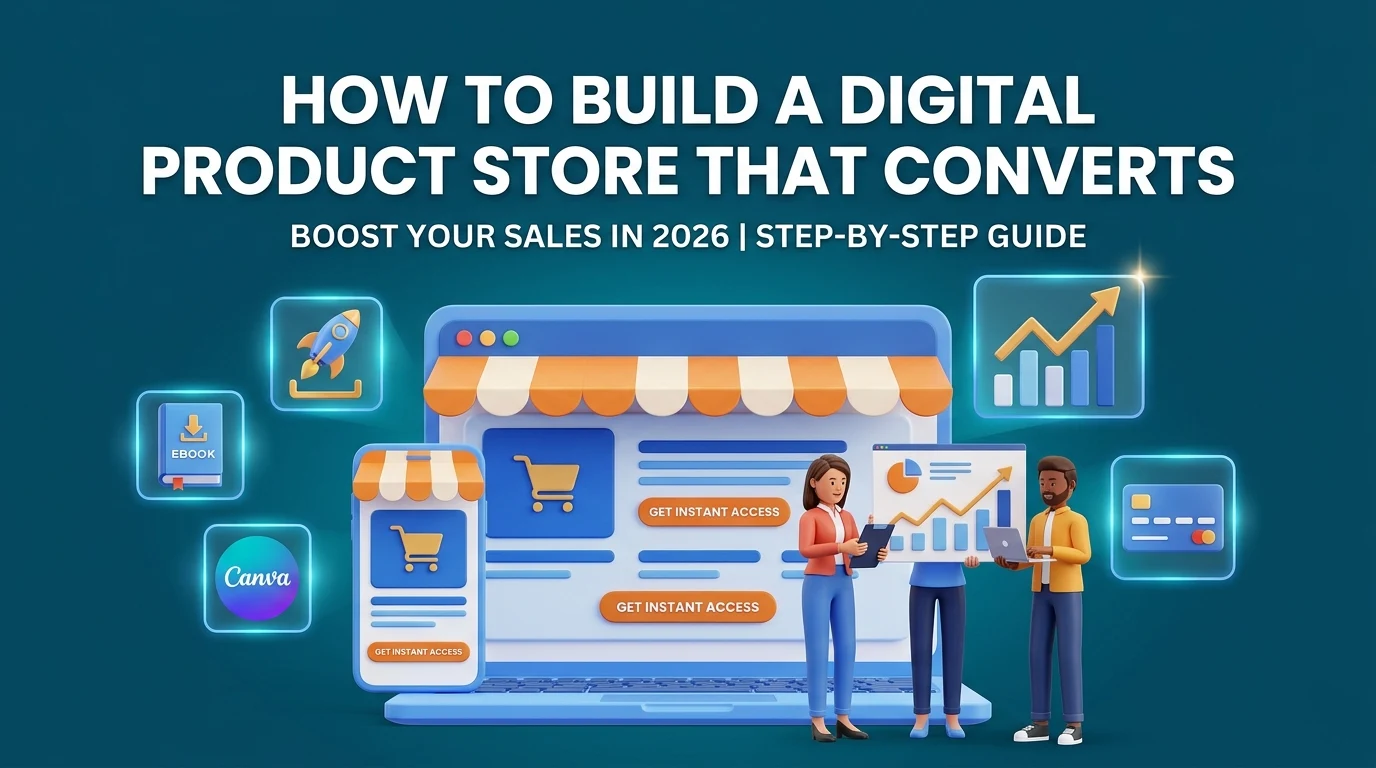
Your product page is where the magic happens. To master How to Build a Digital Product Store That Converts, your pages must include:
-
Compelling Visuals: High-quality mockups that show the product in action.
-
Clear Benefits: Don’t just list features; tell the customer how this product saves them time or money.
-
Social Proof: Reviews and testimonials are non-negotiable in 2026.
-
A Strong Call to Action (CTA): Use buttons that stand out, like “Get Instant Access” or “Download Now.”
Simplifying the Checkout Process
Friction is the enemy of conversion. If your checkout process has too many steps, customers will abandon their carts. A key takeaway in this guide on How to Build a Digital Product Store That Converts is to offer “Guest Checkout” and multiple payment options like Stripe, PayPal, and local gateways (like bKash or Nagad if you are targeting specific regions).
The fewer the clicks, the higher the sales.
Mobile Optimization: A Non-Negotiable Factor
In 2026, over 70% of digital product purchases happen on mobile devices. If your store looks great on a desktop but breaks on a smartphone, you are losing money. Any expert advice on How to Build a Digital Product Store That Converts will prioritize a “Mobile-First” design approach. Ensure your buttons are easy to tap and your text is readable without zooming.
Leverage the Power of SEO and Content Marketing
To get people to your store, you need organic traffic. SEO (Search Engine Optimization) is the engine that drives sustainable growth. By creating blog posts around your products, you can attract targeted visitors.
According to Statista’s Digital Market Insights, global e-commerce continues to grow, and digital products are a massive part of that expansion. By focusing on How to Build a Digital Product Store That Converts, you are aligning your business with these global trends.
Using Scarcity and Urgency Responsibly
Psychology plays a huge role in sales. Limited-time discounts or “Early Bird” pricing can encourage users to take action now rather than later. However, in this guide on How to Build a Digital Product Store That Converts, we recommend being honest. Fake countdown timers can hurt your brand’s trust in the long run.
Email Marketing and Post-Purchase Upsells
The sale shouldn’t end at the checkout. An automated email sequence can turn a one-time buyer into a repeat customer. Offering a related product at a discount immediately after a purchase (an upsell) is a proven strategy in the framework of How to Build a Digital Product Store That Converts.
For example, if someone buys an Elementor landing page template, offer them a “UI Kit” at 30% off on the “Thank You” page.
Security and Trust Signals
Digital buyers are wary of scams. To show them How to Build a Digital Product Store That Converts, you must display trust signals. This includes:
-
SSL Certificates (HTTPS).
-
Money-back guarantee badges.
-
Secure payment logos (Visa, Mastercard, etc.).
-
A clear “Privacy Policy” and “Terms of Service.”
Building trust is the fastest way to increase your conversion rate.
Analyzing Data and A/B Testing
You cannot improve what you do not measure. Use tools like Google Analytics 4 and Hotjar to see how users interact with your store. A/B testing different headlines or button colors is a core part of learning How to Build a Digital Product Store That Converts. Sometimes, a simple change in word choice can increase sales by 10% or more.
Providing Exceptional Customer Support
Even though digital products are “passive,” your support shouldn’t be. Providing a detailed “Installation Guide” or a video tutorial with every download reduces support tickets and increases customer satisfaction. In the final stage of How to Build a Digital Product Store That Converts, focus on turning your customers into advocates who will recommend your store to others.
Frequently Asked Questions (FAQ)
1. Why is conversion rate optimization important for a digital store?
Conversion rate optimization (CRO) ensures that the traffic coming to your site actually turns into paying customers. Without focusing on How to Build a Digital Product Store That Converts, you might get thousands of visitors but zero sales. Improving your conversion rate means making more money from the same amount of traffic.
2. Which WordPress themes are best for high-converting stores?
In 2026, speed is the top ranking and conversion factor. Lightweight themes like GeneratePress, Astra, or Hello Elementor are ideal. These themes load quickly and allow you to build custom, high-converting layouts using page builders like Elementor without slowing down your site.
3. How does the checkout process affect digital sales?
A long or complicated checkout process is the leading cause of cart abandonment. To master How to Build a Digital Product Store That Converts, you should offer a “Guest Checkout” option and minimize the number of form fields. The fewer steps between “Add to Cart” and “Download,” the higher your sales will be.
4. What trust signals should I include on my product pages?
To build buyer confidence, you must display SSL certificates (HTTPS), clear refund policies, customer testimonials, and secure payment icons (like PayPal or Stripe). Trust signals reassure the customer that their data is safe and that your digital product is high-quality.
5. Is mobile optimization mandatory for digital product stores?
Absolutely. More than 60% of digital purchases are now made via mobile devices. If your store is not mobile-responsive or if the “Buy” buttons are hard to click on a phone, you will lose a significant portion of your revenue. A mobile-first design is a core pillar of How to Build a Digital Product Store That Converts.
Conclusion
Building a successful digital store is a journey of continuous improvement. By following this guide on How to Build a Digital Product Store That Converts, you are setting a solid foundation for your online business in 2026. Focus on speed, trust, and mobile optimization, and you will see your conversion rates soar.
Read Also: Ultimate Guide to Passive Income With Digital Downloads