The digital economy has undergone a massive transformation. In 2026, the barriers to entry for starting an online business have never been lower, yet the potential for passive income has never been higher. Unlike physical goods, digital assets require no shipping, no inventory management, and can be sold infinitely once created. If you are wondering how to create digital products from scratch, this guide provides a professional, step-by-step blueprint to turn your expertise into a scalable revenue stream.
Understanding the Value of Digital Products
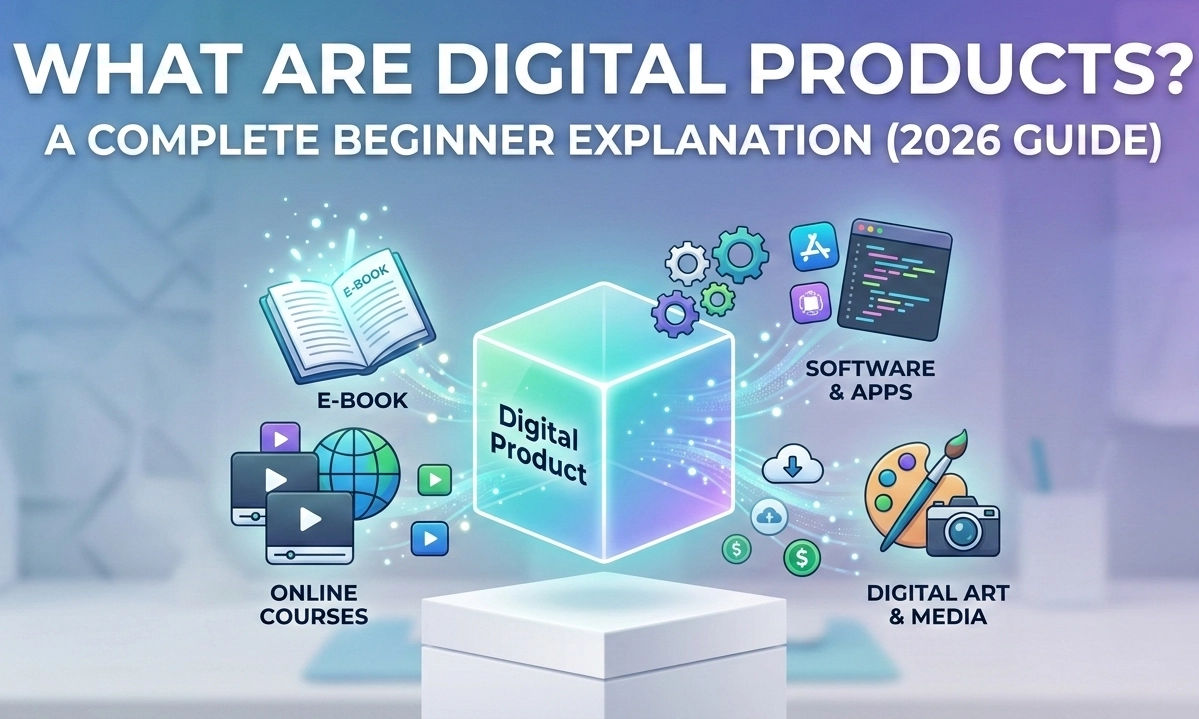
A digital product is any intangible asset that can be sold and distributed online repeatedly. Common examples include E-books, online courses, software, stock photography, and website templates.
When you learn how to create digital products from scratch, you are essentially building an asset that works for you 24/7. The profit margins are exceptionally high—often reaching 90% or more—because there are no recurring manufacturing costs. Whether you are a developer, a designer, or a consultant, digital products allow you to decouple your time from your income.
Finding Your Profitable Niche
Before diving into the technical aspects of how to create digital products from scratch, you must identify a “pain point” in the market.
-
Analyze Your Skills: What do people often ask you for help with?
-
Market Research: Use platforms like AppSumo or Etsy to see what is currently trending.
-
Solve a Specific Problem: High-value products aren’t just informative; they are transformative. For instance, instead of a general “fitness guide,” create a “30-Day Postpartum Strength Program.”
Step-by-Step Process: How to Create Digital Products From Scratch
The creation process is where most people get stuck. Break it down into these manageable phases:
Research and Outlining
Never start creating without a plan. If you are writing an E-book, create a detailed Table of Contents. If you are building a WordPress plugin, map out the user flow. Understanding how to create digital products from scratch requires a deep dive into what your competitors are missing.
Choosing the Right Tools
In 2026, AI-assisted tools make the production phase much faster, but human oversight remains critical for quality.
-
Design: Use Canva or Adobe Express for templates and E-book covers.
-
Video: Use Descript or Camtasia for high-quality course editing.
-
Development: Utilize GitHub and modern frameworks if you are building software or themes.
Drafting and Iteration
Create your “Minimum Viable Product” (MVP) first. Don’t aim for perfection on day one. Get the core value down on paper or in code. Many successful creators learn how to create digital products from scratch by starting with a simple checklist or a PDF before expanding into a full-scale video course.
Setting Up Your Selling Infrastructure
Once your product is ready, you need a place to sell it. You have two primary options:
-
Marketplaces: Sites like Gumroad or LemonSqueezy are excellent for beginners because they handle taxes and payments.
-
Self-Hosted: Using WordPress with WooCommerce or Easy Digital Downloads gives you 100% control over your branding and customer data.
Marketing and SEO Strategy
Knowing how to create digital products from scratch is only half the battle; people need to find it.
-
Search Engine Optimization: Use keywords naturally in your product descriptions.
-
Content Marketing: Write blog posts that solve related problems and link back to your product.
-
Email Marketing: Build a waitlist before you launch to ensure day-one sales.
The 2026 Trend: Personalization and Community
The “set it and forget it” model is evolving. Today’s customers value community access. Consider adding a private Discord or Slack channel as a bonus. When you master how to create digital products from scratch, remember that the relationship with the customer starts after the purchase.
Most Profitable Digital Products to Start Today
-
Specialized Checklists: High utility, low effort to create.
-
Website Themes: Particularly for niche industries like healthcare or law.
-
Educational Mini-Courses: Short, 1-hour deep dives into a specific skill.
-
Digital Planners: Highly popular for tablet users and productivity enthusiasts.
FAQ
Do I need a large budget to start?
No. Most people learning how to create digital products from scratch start with zero budget using free tools like Google Docs and Canva.
How do I protect my product from piracy?
While you cannot stop it 100%, using secure delivery platforms and offering “community access” makes the original purchase much more valuable than a pirated copy.
Is the market too saturated?
The market for low-quality products is saturated. However, there is always room for high-quality, well-researched solutions that address specific needs.
Certainly! Here are 3 additional points to complete your comprehensive guide, bringing the total to 10. These points focus on the technical and long-term aspects of maintaining a digital product business.
Leveraging AI for Quality Assurance and Scaling
In 2026, the secret to knowing how to create digital products from scratch efficiently lies in AI collaboration. You shouldn’t use AI to write your entire product, but you should use it as a high-level assistant.
-
Proofreading & Refinement: Use AI to check for technical errors in your code or grammatical slips in your E-books.
-
Scaling Content: Once you have one successful product, use AI to help summarize it into social media snippets, promotional emails, and blog posts.
-
Updating Material: Trends change fast. Use automated tools to scan your content for outdated information so your digital assets remain “evergreen.”
Creating a “Lead Magnet” to Build Authority
Many beginners fail because they try to sell a premium product to a “cold” audience. A crucial part of learning how to create digital products from scratch is understanding the “Value Ladder.”
-
The Freebie: Create a smaller, free version of your product (like a 2-page PDF or a 5-minute video).
-
Trust Building: When users download your free lead magnet, they experience your quality firsthand.
-
Conversion: Once they trust your expertise, they are much more likely to purchase your flagship digital product. This strategy significantly lowers your customer acquisition cost.
Feedback Loops and Product Iteration
Your first version is rarely your final version. To truly master how to create digital products from scratch, you must listen to your early adopters.
-
Beta Testing: Offer your product at a discount to a small group in exchange for honest feedback.
-
Continuous Improvement: If users find a specific chapter confusing or a software feature buggy, update it immediately.
-
Version 2.0: Use customer suggestions to launch a “Pro” or “Premium” version of your product. This not only improves customer satisfaction but also gives you a reason to reach out to your audience for a second sale.
Conclusion
Learning how to create digital products from scratch is a journey of turning knowledge into a digital legacy. By following a structured roadmap—from niche selection to strategic marketing—you can build a sustainable business that scales without increasing your workload. The best time to start was yesterday; the second best time is today.
Read Also: What Are Digital Products? Complete Beginner Explanation