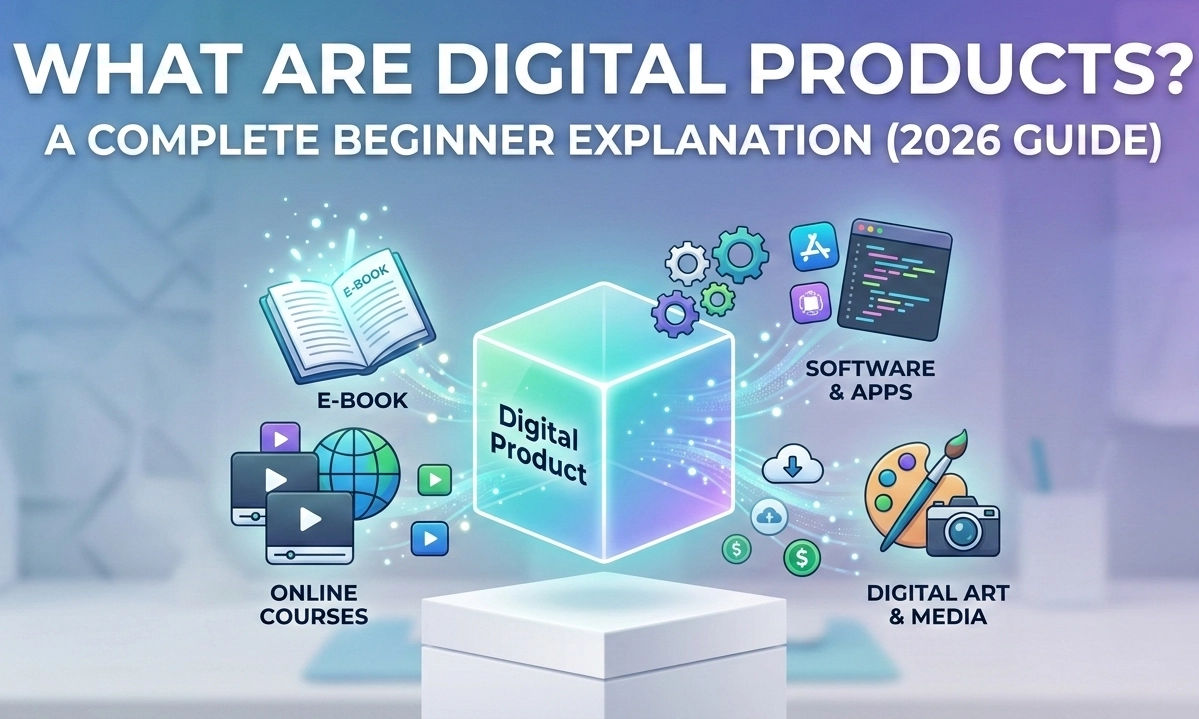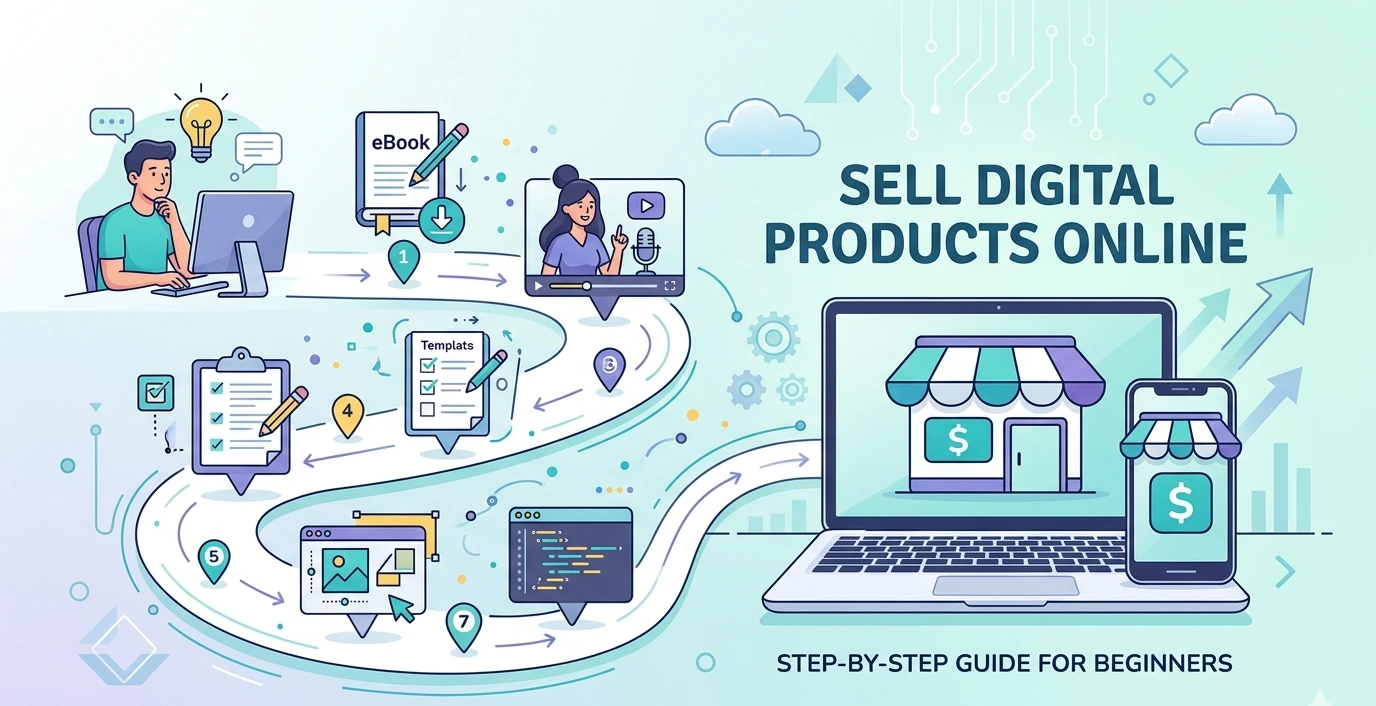
In the modern digital era, the opportunity to create a recurring income stream has never been more accessible. If you are looking for a step-by-step guide to selling digital products online for beginners, you have come to the right place. Digital products—ranging from eBooks and software to online courses and digital art—offer high-profit margins because they require no inventory and can be sold infinitely.
In this comprehensive step-by-step guide to selling digital products online for beginners, we will walk through everything from choosing your niche to launching your first product successfully.
Why Sell Digital Products?
Before diving into the technicalities, it is essential to understand why this business model is so popular. Unlike physical goods, digital products don’t require shipping, storage, or manufacturing costs. Once created, the cost of selling to the 1,000th customer is nearly zero.
This step-by-step guide to selling digital products online for beginners aims to help you leverage these benefits to build a sustainable online business.
Identify Your Profitable Niche
The first step in any step-by-step guide to selling digital products online for beginners is finding a niche that balances your passion with market demand. You don’t need to be an world-class expert, but you do need to solve a specific problem for your audience.
Popular Digital Product Ideas:
-
Educational Products: Online courses, tutorials, and specialized eBooks.
-
Templates & Tools: Budget trackers, Canva templates, or WordPress themes.
-
Creative Assets: Stock photos, music tracks, and digital illustrations.
-
Software & Apps: Chrome extensions or mobile applications.
Market Research and Validation
Never create a product in a vacuum. A crucial part of this step-by-step guide to selling digital products online for beginners is validating your idea.
-
Check Competitors: Look at platforms like Etsy, Udemy, or Gumroad to see what is already selling.
-
Use Google Trends: Ensure the interest in your topic is steady or growing.
-
Survey Your Audience: If you have a social media following, ask them directly what they are struggling with.
Creating Your High-Quality Digital Product
Now comes the execution. The quality of your product determines your brand’s reputation.
-
For eBooks: Use tools like Google Docs or Canva. Ensure the layout is professional and easy to read.
-
For Courses: Use high-quality microphones and screen recording software like OBS Studio or Camtasia.
-
For Templates: Ensure they are “plug-and-play” so beginners can use them without technical hurdles.
Remember, this step-by-step guide to selling digital products online for beginners emphasizes quality over quantity. One premium product is better than ten mediocre ones.
Choosing the Right Selling Platform
Top Platforms to Sell Digital Products by HubSpot Where you host your product is just as important as the product itself. Depending on your technical skills, you have several options:
Marketplaces (Easy for Beginners)
Platforms like Etsy, Creative Market, or Udemy already have built-in traffic. However, they take a significant commission and offer less control over branding.
E-commerce Platforms
If you want more control, platforms like Gumroad, LemonSqueezy, or Shopify are excellent choices. They handle the payment processing and file delivery automatically.
Your Own Website
For maximum profit and branding, selling directly through a WordPress site using WooCommerce or Easy Digital Downloads (EDD) is the ultimate goal for many.
Setting Up Your Sales Funnel
A sales funnel is the journey a customer takes from discovering your brand to making a purchase. As part of this step-by-step guide to selling digital products online for beginners, you should focus on:
-
The Lead Magnet: Offer a free mini-product (like a PDF checklist) in exchange for their email address.
-
Email Marketing: Send automated emails providing value and eventually pitching your main digital product.
-
The Sales Page: Write compelling copy that focuses on the benefits of your product, not just the features.
Pricing Your Digital Product
Pricing can be tricky. Too low, and people might doubt the quality; too high, and you might scare away beginners. Look at your competitors and consider “Value-Based Pricing.” If your product saves someone 10 hours of work, price it based on the value of that time saved.
Marketing and Traffic Generation
Without traffic, your product won’t sell. This step-by-step guide to selling digital products online for beginners recommends a multi-channel approach:
-
SEO (Search Engine Optimization): Write blog posts around keywords related to your product.
-
Social Media: Use Pinterest for visual products, LinkedIn for professional templates, and TikTok/Reels for educational content.
-
Paid Ads: Once you know your product converts, use Facebook or Google Ads to scale.
Delivering Exceptional Support
Even though digital products are automated, your customers may still have questions. Providing fast and helpful support will lead to positive reviews, which are vital for long-term success. Following this step-by-step guide to selling digital products online for beginners means building a brand, not just making a one-time sale.
Analyzing and Scaling
Once you have your first few sales, analyze where they came from. Did they find you through Google? Did a specific tweet go viral? Double down on what is working.
You can scale by:
-
Creating a “Pro” version of your product.
-
Bundle related products together for a higher price.
-
Starting an affiliate program where others sell your product for a commission.
Conclusion
Starting an online business is a marathon, not a sprint. This step-by-step guide to selling digital products online for beginners has provided you with the foundation, but the most important step is to start. Don’t wait for perfection; launch your MVP (Minimum Viable Product) and improve it based on customer feedback.
Selling digital products is one of the most rewarding ways to achieve financial freedom in 2026. By following this step-by-step guide to selling digital products online for beginners, you are already ahead of 90% of the competition.
Read more: How to Create Digital Products From Scratch for Beginners in 2026