The digital landscape has shifted dramatically. In 2026, the creator economy is no longer just a buzzword—it is a trillion-dollar industry. Whether you are a developer, a designer, or a consultant, learning how to start a digital product business in 2026 is the most effective way to build scalable passive income. Unlike physical goods, digital products require no inventory, no shipping fees, and can be sold infinitely once created.
In this comprehensive guide, we will break down the exact blueprint you need to launch and scale your venture successfully.
Why 2026 is the Golden Year for Digital Goods
The integration of AI and high-speed connectivity has lowered the barrier to entry. However, the competition is also higher. To stand out, you need more than just a “generic” PDF. People are looking for interactive experiences, AI-integrated tools, and specialized knowledge. Understanding how to start a digital product business in 2026 means recognizing that quality and utility now trump quantity.
Identifying Profitable Niches in 2026
Before building, you must validate your idea. The most profitable niches currently include:
-
Micro-SaaS and Plugins: Small, functional tools that solve specific problems for WordPress or Shopify users.
-
AI Prompt Engineering Libraries: Curated, tested prompts for specific industries like law, medicine, or architecture.
-
Notion Ecosystems: Advanced operating systems for businesses and personal productivity.
-
Specialized Online Courses: High-ticket video cohorts that offer direct mentorship.
Market Research and Finding Your “Edge”
Researching how to start a digital product business in 2026 involves looking at what people are complaining about on platforms like Reddit or X (Twitter). If people are struggling with a specific software’s complexity, your product could be a simplified “starter kit” or a set of automation templates for that software.
Creating High-Value Digital Products
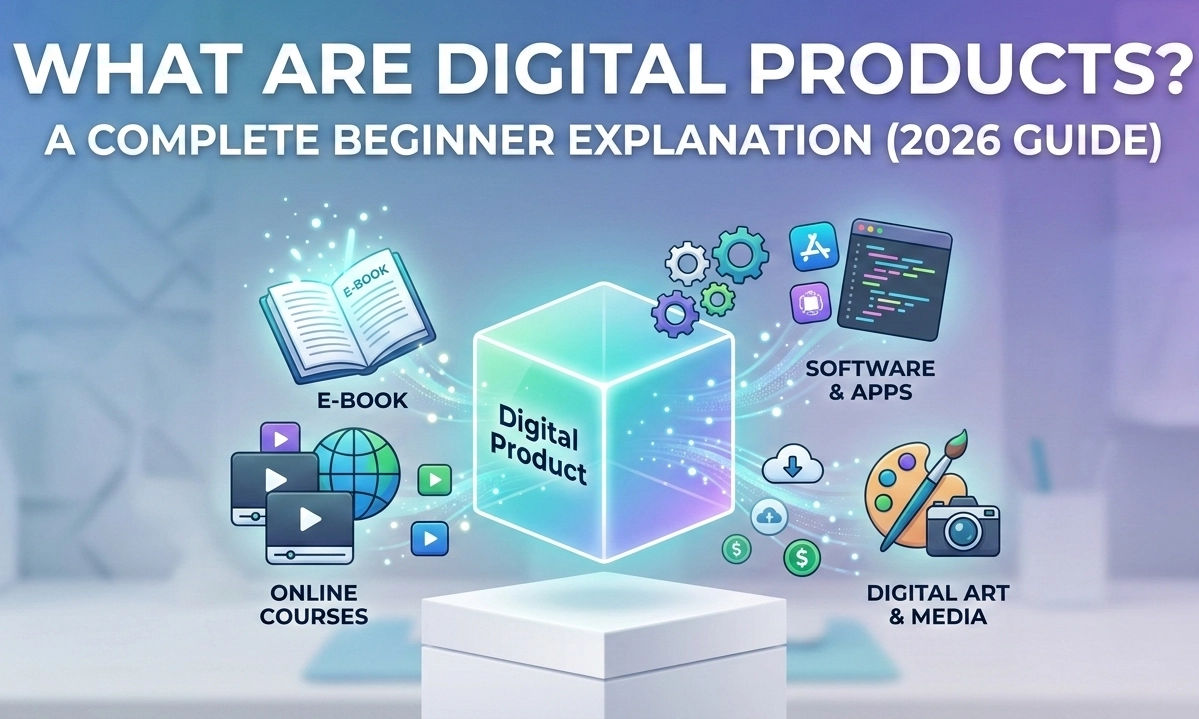
Value is the currency of 2026. If you are creating an E-book, make it interactive with video links. If you are a developer, ensure your code is clean and well-documented. The secret of how to start a digital product business in 2026 lies in the “MVP” (Minimum Viable Product) model—launch a basic version, get feedback, and iterate quickly.
Choosing the Right Selling Platform
You have two main paths:
-
Marketplaces: Platforms like Etsy, Gumroad, or Creative Market give you instant traffic but take a percentage of your sales.
-
Self-Hosted: Using WordPress with WooCommerce or Lemon Squeezy gives you 100% control over your branding and customer data.
For a deeper dive into the best platforms available this year, check out Shopify’s updated guide on digital products, which covers everything from licensing to global tax compliance.
Mastering SEO and Keyword Integration
To drive organic traffic, your content must be optimized. Using the phrase how to start a digital product business in 2026 in your headings, meta tags, and naturally throughout your articles helps search engines understand your authority. However, avoid “keyword stuffing”; 2026 algorithms prioritize “Helpful Content” that provides genuine answers to user queries.
The Power of Automation and AI
You cannot scale if you are doing everything manually. Use AI for customer support (chatbots) and automated email sequences. When someone buys your product, they should receive it instantly via an automated delivery system. This is a core component of how to start a digital product business in 2026—letting technology do the heavy lifting while you focus on the next big idea.
Marketing in the Age of Short-Form Video
Static ads are becoming less effective. Use TikTok, Instagram Reels, and YouTube Shorts to show “behind-the-scenes” of your product creation. Educational content that solves a small part of a problem for free will build the trust necessary for people to buy your premium products.
Building a Community, Not Just a Customer Base
In 2026, loyalty is everything. Don’t just sell a product and disappear. Create a Discord or a Slack community where your buyers can interact. When you teach others how to start a digital product business in 2026 or share your journey, you create brand advocates who will market your products for you.
Scaling for the Future
Once you have a steady flow of sales, look into affiliate marketing. Let others promote your product for a commission. This turns your business from a one-man show into a global sales machine.
Frequently Asked Questions (FAQ)
1. What are the most profitable digital products to sell in 2026? In 2026, the most profitable products are AI-integrated templates (like Notion or ChatGPT prompt libraries), Micro-SaaS tools, specialized digital assets (stock video/3D models), and high-ticket cohort-based online courses. The key is to solve a specific, high-value problem for a niche audience.
2. Do I need coding skills to start a digital product business? No, you don’t necessarily need coding skills. While developers can create plugins or apps, non-coders can succeed by selling E-books, design templates, stock photography, or coaching. Many entrepreneurs use “No-Code” tools to build functional digital products without writing a single line of code.
3. Is the digital product market too saturated in 2026? While some niches are crowded, the market is not saturated for “quality” and “specialized” content. Generic products are struggling, but there is a massive demand for hyper-niche solutions. Success in how to start a digital product business in 2026 depends on your unique perspective and how well you serve a specific community.
4. How much money do I need to start? One of the best things about this business model is the low overhead. You can start with as little as $50–$100 for a domain, hosting, or a subscription to a design tool. If you use free platforms like Gumroad or social media for marketing, your initial investment can be even lower.
5. How do I protect my digital products from piracy? While it is hard to prevent piracy 100%, you can minimize it by using license keys for software, adding watermarks to assets, and hosting your content on secure platforms like Teachable or Lemon Squeezy. Additionally, building a community-based product makes piracy less attractive since people pay for the “access” and “updates,” not just the file.
Conclusion
Starting a business has never been more accessible, but it requires a strategic approach. By following this guide on how to start a digital product business in 2026, you are positioning yourself ahead of the curve. Focus on solving real problems, leveraging AI, and building a community. The digital world is waiting for your unique contribution.
The journey of a thousand sales begins with a single product. Start building yours today!
Read Also: Step-by-Step Guide toal Products Online for Beginners